
Vaccinations in Sawtell
Protect yourself and your family with our comprehensive vaccinations in Sawtell. Our trained staff provide safe, reliable care, trusted service and no long waits.
Nature's Symphony
Button
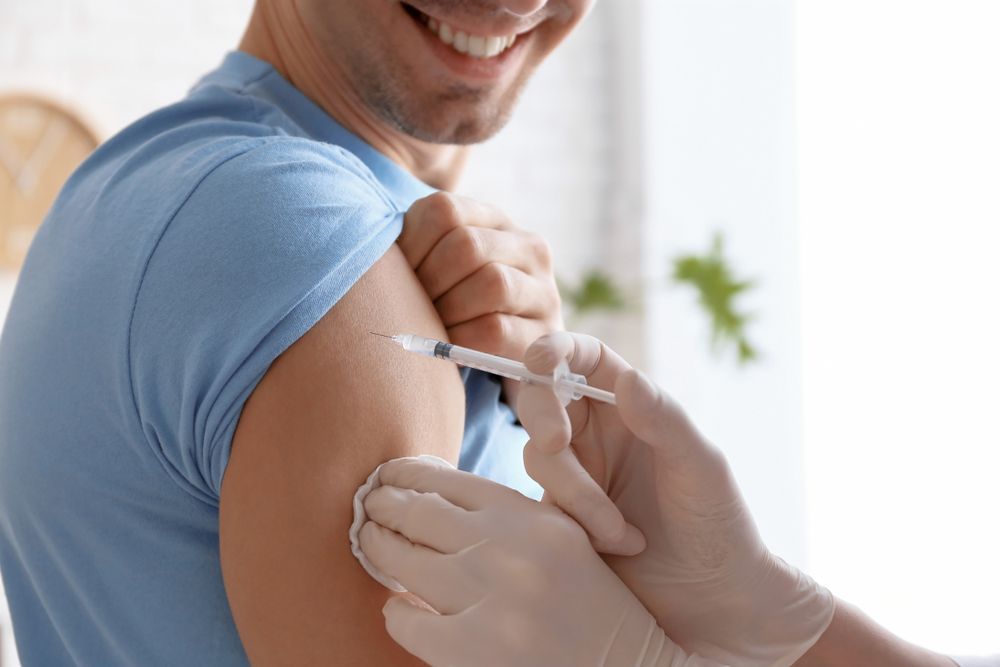
At Blooms The Chemist, we provide a wide range of vaccinations in Sawtell to help protect you and your family from preventable illness. From annual flu shots to shingles and whooping cough, our trained pharmacists offer safe, efficient care from our First Avenue pharmacy. Whether you’re preparing for travel, meeting workplace requirements, or simply staying up to date, we make it easier to manage your immunisations with confidence.
Our services are accessible, professional and supported by the trusted Blooms network. We ensure that every vaccination is administered with care and clinical oversight.
Call 02 6653 1227 or visit us in-store to book your vaccination or ask about current options.
Convenient Service for Work, School or Travel
Administered by Qualified Pharmacists
Preventative Care Made Easy
We provide pharmacist-administered vaccinations in a professional, well-regulated setting. Our team ensures proper storage, handling and delivery, and we’re always available to answer questions or explain your options with clarity.
Some vaccines are government-funded, while others may require payment. We’ll walk you through what’s available and help you decide what’s appropriate for your situation. Book ahead or visit us in-store. We make it easy to stay protected.
Influenza (Flu) Vaccination
Annual flu vaccinations are available in-store, administered by trained pharmacists in a safe, professional setting. These vaccines are recommended ahead of flu season to help reduce the risk of serious illness, particularly for vulnerable individuals and those in high-contact roles. We follow current guidelines and informed consent protocols, so you’ll always know what’s being offered and why. If you have questions, we’ll walk you through the details without the drama.
Whooping Cough Vaccination
Whooping cough remains a concern in some communities due to its impact on infants and vulnerable individuals. Vaccination may be considered for adults who haven't had a booster in the past 10 years, particularly if they spend time around newborns. Our pharmacists can explain current recommendations, answer your questions, and administer the vaccine if you decide it’s appropriate.
Travel Vaccinations
Travelling overseas may expose you to illnesses not commonly found in Australia. Our pharmacists can assist with recommended vaccinations based on your destination and travel plans. We’ll walk you through what’s advised, what’s required for entry (if anything), and administer vaccinations in line with current health regulations. Proof of vaccination can be provided if certification is needed for your trip. Ask in store for guidance before you go.
Shingles Vaccination
Shingles is a painful, blistering rash caused by the reactivation of the chickenpox virus, often striking later in life or during periods of weakened immunity. While it isn’t life-threatening, it can cause serious discomfort and complications like nerve pain. Vaccination can reduce both the risk of developing shingles and the severity of symptoms if it does occur. Our pharmacists can advise on eligibility, explain the potential side effects, and help you make an informed decision based on your age, health history and risk level. Speak to us in-store to learn more.
Hepatitis A Vaccination
Hepatitis A is a viral infection transmitted through contaminated food, water or close contact with an infected person. While it’s usually mild in healthy individuals, it can cause significant illness in adults or those with existing liver conditions. The Hep A vaccine is recommended for travellers to high-risk regions, food industry workers, and people in certain care or healthcare roles. Our pharmacists can provide guidance on whether this vaccination is right for you and ensure it’s administered safely and on schedule.
Hepatitis B Vaccination
Hepatitis B is a viral infection that affects the liver and is transmitted through blood or bodily fluids. While many recover without lasting effects, it can become chronic and lead to serious complications if left untreated. The vaccine is strongly recommended for healthcare workers, people travelling to high-risk regions, and those who may be exposed to blood in their work or personal life. We offer professional advice and safe administration to help you stay protected. If you’re unsure whether the Hep B vaccine is relevant for you, our pharmacists can talk you through your options.
Typhoid Vaccination
Typhoid fever is a bacterial infection spread through contaminated food or water, commonly found in regions with poor sanitation. If you're travelling to affected areas, vaccination can reduce your risk and help prevent severe illness. We provide pharmacist-administered typhoid vaccines with clear guidance on when and how to take them. Depending on the formulation, you may need a booster or multiple doses, so it's best to plan ahead. Talk to our team about whether typhoid protection is recommended for your travel plans.
Japanese Encephalitis Vaccination
Japanese Encephalitis is a mosquito-borne viral infection that occurs in parts of Asia and the Torres Strait region. While rare for most travellers, the disease can cause serious complications in a small number of cases, including inflammation of the brain. The vaccine is recommended for those spending extended time in rural or high-risk areas where exposure is more likely. Our pharmacists can advise if Japanese Encephalitis vaccination is necessary for your destination and administer it safely in-store.
RSV (Respiratory Syncytial Virus) Vaccination
RSV is a common respiratory virus that most children experience by the age of two. For most, it causes mild, cold-like symptoms, but in some infants, older adults or people with underlying conditions, it can lead to more serious illness. Vaccination is now available for those in high-risk groups, and our pharmacists can help determine if it's appropriate for you or your child. Speak with our team about current RSV vaccine options and eligibility.
FAQ
Are vaccines safe?
All vaccines that are given in Australia are tested carefully to make sure they are safe and effective, as it can take many years to develop and gain approval for a new vaccine.
However, increased resources and funding, as well as clinical trials worldwide, can fast-track the development of a vaccine, which is what happened with COVID-19 vaccinations.
Every vaccine in Australia must also pass three trial phases before the Therapeutic Goods Administration (TGA) can register it for use.
You can find more information about it here.
Australian Government Department of Health and Aged Care, Vaccine Safety, accessed 22 April 2025
Who should not have a vaccine?
There are generally very few people who cannot have vaccines, including:
- People who have had a serious allergic reaction (anaphylaxis) to a previous dose of the vaccine
- People who have serious allergic reactions to ingredients in the vaccine
- People with weakened immune systems who may not be able to fight off the infection
If you’re not sure if you can be vaccinated, please check with your doctor before booking a vaccine.
NHS, Why Vaccination Is Safe And Important, accessed 22 April 2025
Can the flu vaccine give me the flu?
No, the influenza vaccine cannot give you influenza, as it is not a live vaccine.
A live vaccine means that there are traces of live virus in the vaccination to activate your immune system. However, the influenza (flu) vaccine does not prevent you from getting the common cold. This means you may still come down with a cold during flu season despite getting your flu vaccine.
You should get your influenza (flu) vaccine in April or May of each year, before the beginning of flu season, which generally starts between May and September.
Protection from influenza is expected to last for the whole flu season.
Who should have the flu vaccine?
The Australian Immunisation Handbook recommends influenza vaccination for several groups to protect them against severe influenza.
These groups include:
- Children under 5 years
- People with certain medical conditions, such as heart disease, lung disease, and diabetes
- Pregnant women
- Aboriginal and Torres Strait Islander people
- People aged 65 years and over
- Healthcare workers
- Aged care workers
- People with weakened immune systems
What are the symptoms of pertussis (whooping cough)?
- Runny nose
- Sneezing
- A cough that comes in long, uncontrollable bursts
- Severe cough that may cause vomiting, fainting, broken ribs and poor bladder control
- Babies may not have a cough, but can have episodes of turning blue or pauses in their breathing
Healthdirect, Whooping Cough, accessed 31 January 2023
What is the whooping cough vaccine?
The whooping cough vaccine, or ‘dTpa vaccine,’ helps to protect against diphtheria, tetanus and pertussis. It is only available in Australia in combination with diphtheria and tetanus.
What vaccinations do I need for travel?
Your Pharmacist can administer a range of vaccinations if you need them for overseas travel, including:
- Influenza (the flu)
- Diphtheria-tetanus-pertussis (Whooping Cough)
- Meningococcal ACWY
- Herpes zoster (Shingles)
- Human Papillomavirus (HPV)
- Pneumococcal
- Japanese Encephalitis
- Typhoid
How is shingles (herpes zoster) treated?
Unfortunately, there is no cure for shingles, but you can manage your symptoms through antiviral medications. Treatment should start within three days of the painful rash appearing.
If you are pregnant, please speak to your doctor.
Over-the-counter medicines can be used to control your pain, such as anti-inflammatory medications or paracetamol. However, your doctor can prescribe other medicines if these aren’t managing your pain effectively.
There are a range of things you can do to manage your pain around shingles, including:
- Wearing loose clothing
- Keeping the rash dry and clean
- Covering the rash so you can avoid spreading the virus to others in a non-stick dressing
- Not scratching the rash, as it can cause infection and scarring of the blisters
1Healthdirect, Shingles, accessed 6 February 2023
Is the shingles (herpes zoster) vaccine free?
The shingles vaccination with a 2-dose course of Shingrix vaccine is free for the following people under the National Immunisation Program from November 1, 2023:
- People aged 65 years and older (non-Indigenous)
- Aboriginal and Torres Strait Islander adults aged 50 years and older
- Immunocompromised adults aged 18 years and over with haemopoietic stem cell transplants, solid organ transplants, haematological malignancy and advanced or untreated HIV
You can check here to see if you are eligible to receive an NIP-funded vaccine.
If you are eligible for a vaccination under the National Immunisation Program (NIP), you may need to confirm with your selected Blooms The Chemist pharmacy about their NIP vaccine stock availability. Please note that there may be a service fee associated with an NIP vaccination.
How can I avoid getting Hepatitis B?
Getting vaccinated against Hepatitis B is the most important action you can take to avoid getting it.
You can also prevent Hepatitis B infection by:
- Covering any open wounds or cuts with a waterproof dressing
- Not sharing personal items like toothbrushes and razors
- Using gloves when helping with first aid
- Only going to piercing and tattoo studios that are registered and use proper sterilisation techniques
- Using condoms during sex as Hepatitis B can be spread through sexual fluids
Australian Department of Health and Aged Care, Hepatitis B, accessed 5 May 2025
What is RSV (respiratory syncytial virus)?
Respiratory syncytial virus (RSV) is a common virus that can cause respiratory infections that affect your lungs and airways.
RSV causes cold-like symptoms that can cause breathing problems or mild illness.
RSV can cause ear infections, pneumonia, croup and can worsen pre-existing heart problems, such as heart failure, or lung problems like asthma.
1Better Health Victoria, Respiratory syncytial virus (RSV), accessed 1 July 2024




